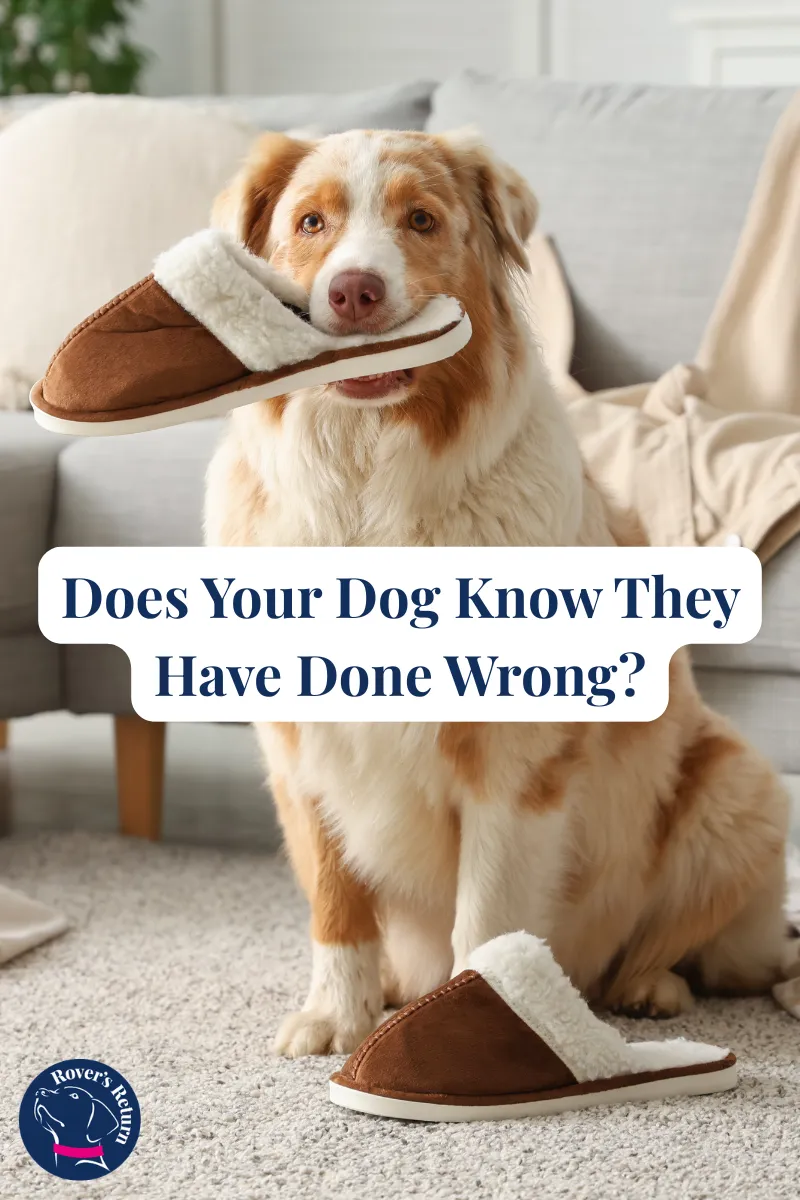
Does My Dog Know They’ve Been Naughty? The Science Behind the Guilty Look
Does My Dog Know They’ve Been Naughty? The Science Behind the Guilty Look
We’ve all walked into the kitchen to find a torn-up bin or a missing sandwich, or the dogs jumped on the bed when you have told them not to, only to be met by a dog with lowered ears, tucked tail, and "sad" squinty eyes. It’s the classic "guilty look."
As humans, we immediately project our own moral compass onto our dogs. We think, "They know exactly what they’ve done wrong!"
But does a dog actually have a concept of "right" and "wrong," or are we misreading a very different conversation?
Do dogs know if they've done something wrong?
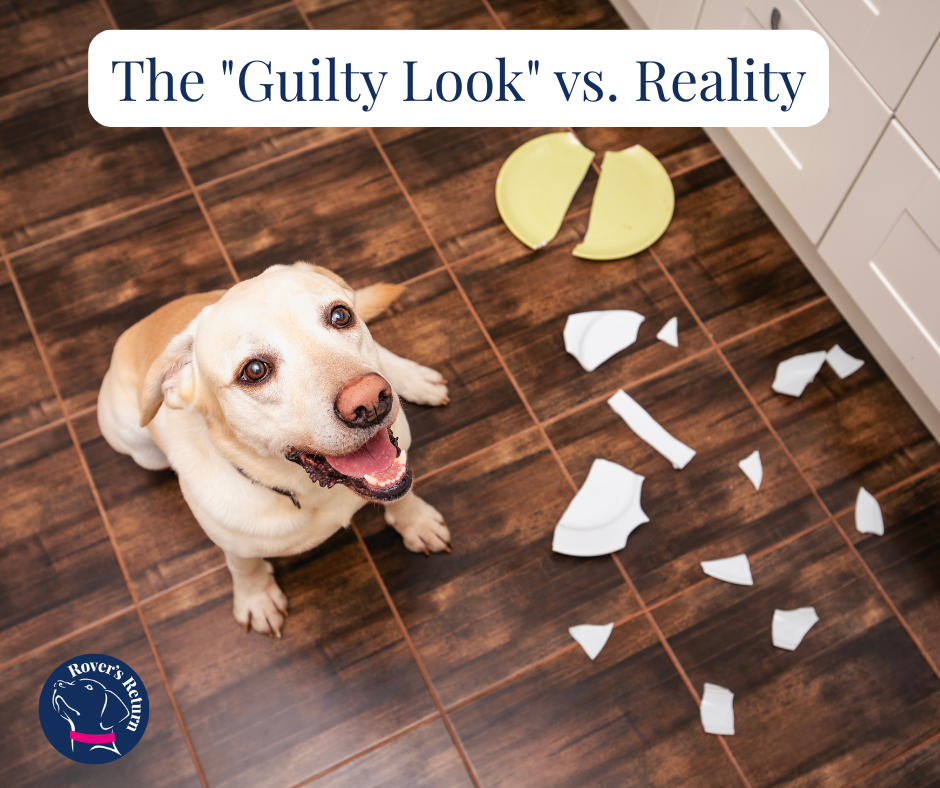
The "Guilty Look" vs. Appeasement
Research, most notably by cognitive scientist Alexandra Horowitz, has shown that what we call "guilt" is actually appeasement behaviour.
When a dog displays that sheepish look, they aren't reflecting on the bin they raided twenty minutes ago. Instead, they are responding to your current body language and emotional state.
Dogs can read our facial expressions, understand our mood and tell when we are happy or annoyed.
The Owner’s Influence
Dogs are masters of reading human micro-expressions. Before you’ve even said a word, your dog has sensed:
A change in your breathing or heart rate.
Stiffening of your shoulders.
A "hard stare" or a change in your vocal tone.
What does it mean when a dog looks guilty?
The "guilty look" is your dog’s way of saying, "I can see you’re upset, and I’m trying to de-escalate the situation so you don't hurt me or stay angry." In fact, studies prove that dogs will give the "guilty look" when they haven't done anything wrong, simply because their owner is speaking in an accusatory tone.
Different Brains: Why They Can't Judge "Right and Wrong"
To understand why dogs don't feel "guilt," we have to look at the architecture of the brain.
The Prefrontal Cortex
Humans have a highly developed prefrontal cortex, the area of the brain responsible for complex moral reasoning, future planning, and reflecting on the past. This allows us to think, "I shouldn't have eaten that cake; now I'll be in trouble later."
The Canine Focus
Dogs have a much smaller prefrontal cortex. Their brains are wired for the "Now." * The Action: The bin smells like chicken.
The Reward: Eating the chicken feels good (dopamine hit).
The Consequence: If the owner isn't there at that exact second, there is no "wrong."
For a dog, "right" and "wrong" are not moral categories; they are functional ones.
"Safe" = I can do this and nothing bad happens.
"Unsafe" = When I do this and my human is present, they make scary noises.
How Dogs Actually Judge Our Expectations
If they don't have a moral compass, how do they learn to behave? They use Pattern Recognition.
Your dog isn't thinking about "honesty" or "respect." They are judging the environment based on predictions:
The Context: "When the human is in the room, I don't touch the table."
The Absence: "When the human leaves, the 'Safe/Unsafe' rule changes because the trigger for the 'Unsafe' consequence (the owner) is gone."
This is why a dog might "behave" while you are watching, but "fail" the second you leave. It isn't spite or a lack of respect; it's simply that the rule they learned was attached to your presence, not to the object itself.
Changing the Narrative: From Guilt to Guidance
When we believe a dog is "guilty," we tend to react with frustration or punishment. This creates a cycle of Stress Stacking. The dog becomes more anxious because their owner is unpredictable, which leads to more "random" behaviours like chewing or barking as they try to soothe themselves.
What to do instead:
Remove the Prediction: If your dog raids the bin, don't wait for them to "look sorry." Simply manage the environment (use a locked bin) so they can't practice the behaviour.
Address the Emotion: If your dog is "naughty" when you are out, it's often a sign of high arousal or separation anxiety—not a moral failing.
Reward the Right: Focus on rewarding the "calm" moments. If they are sitting on their mat while you cook, that is where the "Right/Wrong" learning actually happens.
The Verdict
Your dog loves you deeply, but they aren't capable of sitting in a corner feeling "guilty" about your slippers. They are simply reacting to the person they love most in the world—you.
Next time you see that "guilty" look, take a breath, lower your own stress, and ask: "How can I make the 'right' choice easier for them next time?"

