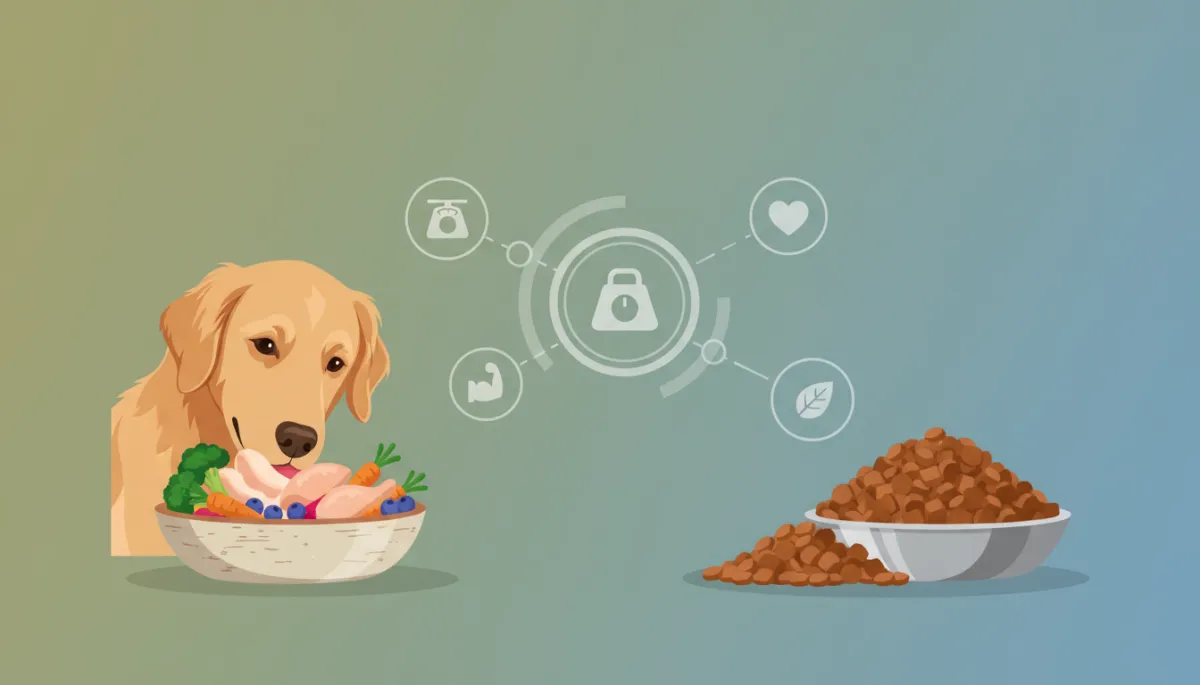
Best Diet for Dogs: Science-Backed Nutrition Tips
Dog Health, Canine Nutrition, Vet-Backed Advice
What Science Says Is the Best Diet for Dogs (Beyond Just Kibble)
As a healthcare professional and certified canine nutrition specialist, I’m often asked what the “best” diet is for dogs, whether kibble is enough, and which human foods are actually safe. This guide brings together current scientific evidence to help you build a balanced, healthy diet for your dog in everyday life.
1. What science says is the best diet for dogs
Dog became domesticated when we fed wolves scraps from our leftovers, from this they became tamer and build a relationship with humans, and evolved from wild wolves into the dog breeds we see today.
Dogs are omnivorous carnivores: they thrive on diets rich in high-quality animal protein, but can also digest some carbohydrates and plant foods. Research and major veterinary bodies agree on one key point: the best diet is complete, balanced and appropriate for the individual dog, not simply “raw” or “kibble” or “homemade” as a label. That means:
Enough high-quality protein (from meat, fish, eggs) to support muscles, organs and immune function.
The right balance of fats, including omega‑3 and omega‑6, for skin, coat and brain health.
Controlled, digestible carbohydrates and fibre for energy and gut health (not just “fillers”).
Correct levels of vitamins, minerals and amino acids matched to life stage (puppy, adult, senior) and health status.
⚠️ Health disclaimer: This article is for general information only and does not replace an in‑person examination or tailored plan from your veterinarian, especially if your dog has allergies, chronic disease, or is on medication.
2. Why kibble is easy but not always as nutritious
Commercial dry food (kibble) is popular because it’s convenient, affordable and shelf‑stable. Good‑quality brands that meet DEFRA standards do provide complete nutrition on paper. However, there are some limitations:
Many kibbles rely heavily on processed carbohydrates and lower‑grade meat meals rather than fresh ingredients.
High‑temperature processing can reduce some heat‑sensitive nutrients and beneficial enzymes, which then have to be added back as premixes.
Highly processed diets may not support the gut microbiome as well as varied, fresher foods rich in natural fibre and phytonutrients.
In practice, kibble can be a safe base, but science increasingly supports adding fresh, minimally processed foods for better overall health, provided the total diet stays balanced.
3. Healthy dog diet: homemade options done safely
A healthy dog diet homemade can be excellent, but only if it’s formulated correctly. Studies show that many DIY recipes online are nutritionally incomplete, often lacking calcium, essential fatty acids, iodine or certain vitamins. To do homemade safely:
Work with a veterinary nutritionist or use vet‑approved recipe services that calculate nutrients, not just ingredients.
Always include a calcium source (e.g., a canine supplement) if you do not feed raw edible bone.
Avoid toxic foods such as onion, garlic, grapes, raisins, xylitol and excessive fat trimmings.
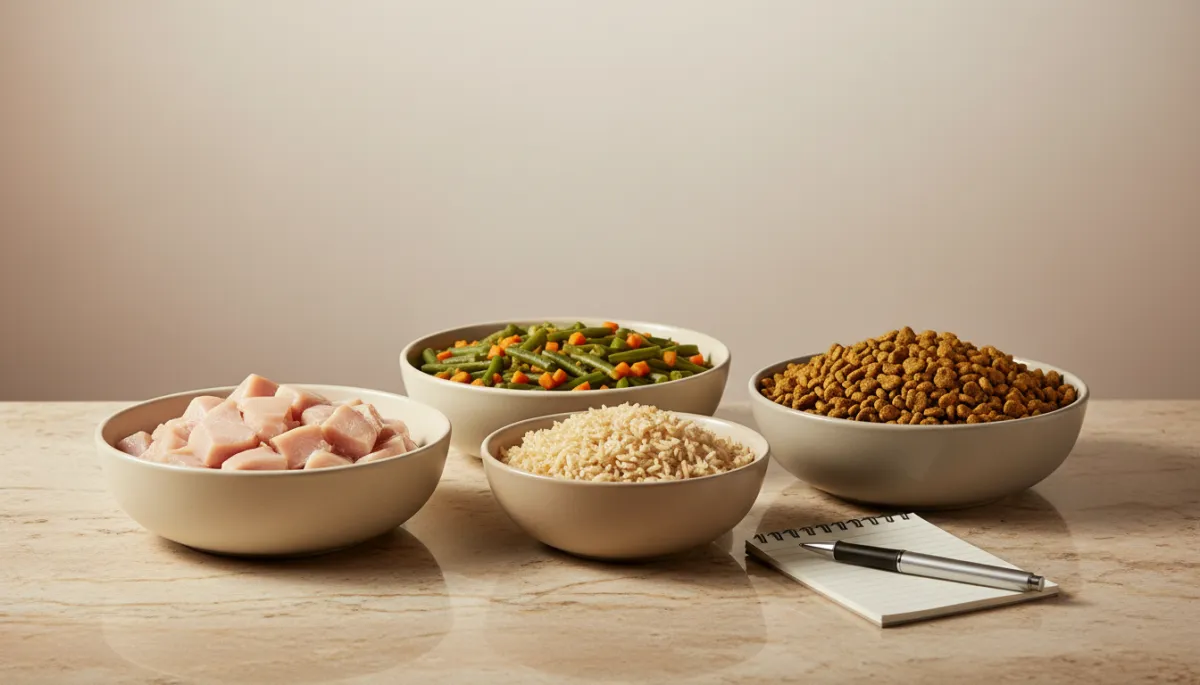
A structured diet chart makes homemade or mixed feeding safer and more consistent.
4. Dog diet chart for weight loss & 5. Healthy dog diet plan
Excess weight is one of the most common health issues in UK dogs. A simple dog diet chart for weight loss starts with knowing your dog’s ideal body weight. As a rough guide, many adult dogs do well on:
Dog size | Daily calories for weight loss* |
|---|---|
Small (5–10 kg) | ~250–450 kcal |
Medium (11–25 kg) | ~450–900 kcal |
Large (26–40 kg) | ~900–1,300 kcal |
*These are general estimates; your vet can calculate precise needs based on age, activity and medical conditions. A healthy dog diet plan for weight loss typically includes:
A measured daily portion of a complete diet (often a veterinary weight‑management food) split into 2–3 meals.
Low‑calorie vegetable add‑ins (like green beans or carrots) to increase volume without excess calories.
Treats limited to no more than 10% of daily calories.
⚠️ Warning: Never crash‑diet a dog. Rapid weight loss can be dangerous, especially for overweight or senior dogs and certain breeds. Always involve your vet in a weight‑loss plan.
6. What can I feed my dog instead of dog food?
If you prefer to avoid commercial dog food altogether, you can feed a fully homemade or fresh‑prepared diet, but it must still be nutritionally complete. Safe alternatives include:
Vet‑formulated fresh or gently cooked delivery meals (increasingly available in the UK) that meet FEDIAF standards, although the level of nutritional requirement set in the UK is basic at best. Importantly, current evidence does not support grain‑free diets as being inherently healthier for most dogs; in some regions grain‑free formulations have even been investigated for possible links with heart disease. For most pets, well‑formulated diets that include appropriate whole grains are safe, digestible and often more thoroughly researched than grain‑free options.
A balanced homemade recipe designed by a veterinary nutritionist, including appropriate supplements.
Feeding random leftovers or just “meat and rice” is not enough long‑term and can cause serious deficiencies.
“Homemade or fresh-prepared diets can be appropriate for dogs, but they must be formulated to meet established nutrient profiles to avoid deficiencies over time.”
— Adapted from guidelines by the World Small Animal Veterinary Association (WSAVA) and the European Pet Food Industry Federation (FEDIAF)
7. Best diet for dogs in the UK: practical guidance
In the UK, look for foods that comply with FEDIAF guidelines and are produced by companies that share nutritional research and have a qualified nutritionist on staff. For most families, a realistic “best” diet is:
A high‑quality complete dry or wet food appropriate for life stage and size, plus
Regular additions of safe fresh foods (see below) to boost variety and micronutrients.
8. Top 10 human foods dogs can eat (in moderation)
Plain, cooked chicken or turkey (no bones, skin or seasoning).
Cooked lean beef or lamb, trimmed of excess fat.
Cooked white fish or salmon (boneless, unseasoned).
Plain eggs, cooked (scrambled or boiled, no butter or oil).
Carrots, raw or lightly cooked, chopped into safe sizes.
Green beans, cooked or raw, without salt or sauces.
Plain pumpkin or butternut squash, cooked and mashed (not sweetened pie filling).
Small amounts of plain yoghurt (goat if often better) (if your dog tolerates dairy; avoid sweeteners).
Blueberries and other dog‑safe fruits like apple slices (no seeds or core).
Cooked rice or oats as part of a balanced meal, not the main ingredient. (Although sweet potato and butternut squash instead of rice for bland diet for stomach issues)
⚠️ Always avoid: chocolate, grapes, raisins, onions, chives, alcohol, caffeine, xylitol (in sugar‑free products), macadamia nuts and cooked bones. These can be toxic or cause serious injury.
9. Simple dog nutrition chart: what’s necessary in a dog’s diet?
A basic dog nutrition chart for a healthy adult dog includes:
Protein: usually 18–25% of calories (higher for active or working dogs).
Fat: typically 10–20% of calories, with adequate omega‑3 and omega‑6 balance.
Carbohydrates & fibre: variable, but ideally from digestible sources like lentils, oats, potatoes (sweet is better than white) and vegetables, soaked seeds such a chia, sunflower and beans/peas (rather than excessive fillers or sugars. (My opinion is to avoid rice)
Vitamins & minerals: including calcium, phosphorus, zinc, copper, iodine, vitamin D, B‑vitamins and others in the correct ratios.
10. Best human food for dogs: what stands out?
Among human foods, some of the best human food for dogs from a nutritional perspective are:
Cooked oily fish (like salmon or sardines in water): rich in omega‑3s for joints, skin and brain.
Eggs: highly digestible protein with essential amino acids and vitamins when cooked plain.
Colourful vegetables like carrots and pumpkin, which provide fibre and antioxidants with few calories.
11. What is necessary in a dog's diet?
To summarise, what is necessary in a dog’s diet is: adequate energy for their life stage and activity, complete protein, appropriate fat, digestible carbohydrates and fibre, and a full spectrum of vitamins, minerals and essential fatty acids. Water is the most essential nutrient of all, so fresh, clean water must be available at all times.
12. Should dogs be fed once a day?
Research suggests that some adult dogs may do well on one meal a day, but this is not ideal for every dog. Many vets and nutritionists still recommend:
Puppies: 3–4 meals per day to support growth and prevent blood sugar dips.
Healthy adults: usually 1–2 meals per day for digestive comfort and to reduce hunger‑related scavenging or vomiting bile.
Large, deep‑chested breeds: 2 or more smaller meals to help reduce the risk of bloat (GDV).
If you want to try once‑daily feeding, monitor your dog closely for signs of discomfort, vomiting or behaviour changes.
13. What happens if you don't feed a dog-specific dog food?
If you never feed commercial dog food but provide a properly balanced homemade or fresh diet, your dog can be perfectly healthy. Problems arise when “no dog food” means:
Only table scraps or leftovers, which are often too high in fat, salt and seasoning and too low in key nutrients.
Unbalanced “meat‑only” diets without calcium, vitamins or trace minerals, which can cause bone disease, anaemia and organ problems over time.
Long‑term nutritional imbalance may not show immediately but can lead to skin issues, poor coat, reduced immunity and serious internal disease years later.
14. How nutrition can help your dog live longer and feel better
High‑quality nutrition is one of the most powerful tools we have to support longevity and quality of life. Evidence shows that keeping dogs lean, feeding complete and balanced diets, and including beneficial nutrients such as omega‑3 fatty acids and appropriate antioxidants can:
Reduce the risk of arthritis, diabetes and heart disease.
Support a healthier gut microbiome, which is linked to immunity and even behaviour.
Improve skin, coat and energy levels, making your dog more comfortable and active.
📌 Key takeaway: You don’t have to choose between “only kibble” and “perfect homemade.” Even small, science‑guided improvements – like upgrading to a better‑quality food and adding safe fresh items – can make a meaningful difference to your dog’s health.
Work with your vet or a certified canine nutrition professional to design a diet that suits your dog’s age, breed, weight and health conditions. The goal is simple: a balanced, enjoyable way of eating that keeps your dog healthy, happy and by your side for as long as possible.

