Book a FREE 1:1 Consultation Call By Clicking HERE
Free, no-pressure chat to understand your dog and outline a tailored plan.

Dog Training Leicestershire Educational Blogs
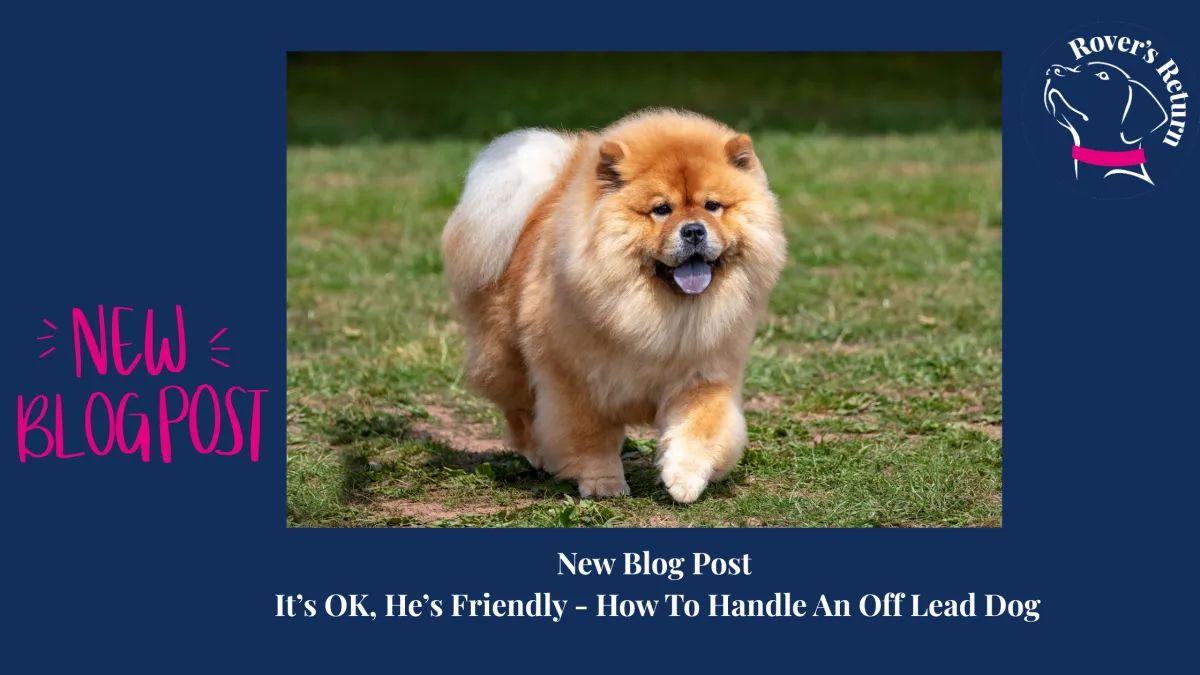
It's Ok He's Friendly - How To Handle An Off Lead Dog

When The Owner Shouts
"He’s Friendly!" Isn’t Helpful:
Managing Off-Lead Dogs Approaching Your Reactive Dog
Walking a reactive dog in Leicestershire’s beautiful parks should be a time for bonding and decompression.
However, for many of my clients, the reality is a high-stress "scanning" mission. The greatest challenge? Encountering out-of-control, off-lead dogs while you are working hard to keep your own dog calm and under their emotional threshold.
If you feel a sense of dread when you see a loose dog heading your way, you aren't alone. Here is how to manage these encounters using kind, fair, and effective strategies.

What To Do If An Off Lead Dog Runs Toward You
1. The Golden Rule: Stay Calm
It sounds cliché, but your dog is a mirror to your internal state. If you tense up, shout, or panic, you are sending a signal down the lead that there is a "threat." This spike in cortisol makes your dog more likely to react.
Keep your voice low: Speak to your dog in a soothing, calm tone.
Avoid the "Food Magnet": While I usually advocate for treats, if an off-lead dog is close, holding food out can actually entice them to stay and linger, which increases the pressure on your dog.
2. Communicating with the Other Owner
Don't be afraid to find your voice. Most people assume every dog wants to play, so be clear and polite:
The "Yellow Ribbon" Approach: Politely ask, "Could you pop your dog on a lead, please? We are training."
Hand Signals: A flat "stop" palm gesture can be a universal signal for the other owner to recall their dog.
3. What if the Owner is Nowhere to Be Seen?
If a dog is roaming solo or the owner is ignoring you, your priority is safety and creating space—your dog’s best resource.
The "Treat Scatter": Throw a handful of treats away from you and toward the approaching dog. This creates a "scent-work" distraction for them, giving you time to move away.
The Body Block: Calmly step in front of your dog to act as a physical shield. This isn't about being aggressive; it’s about being a barrier that says "The path is closed."
Walk Away Slowly: Rapid movements or grabbing at collars can escalate arousal and trigger a fight. Slowly and calmly change direction.
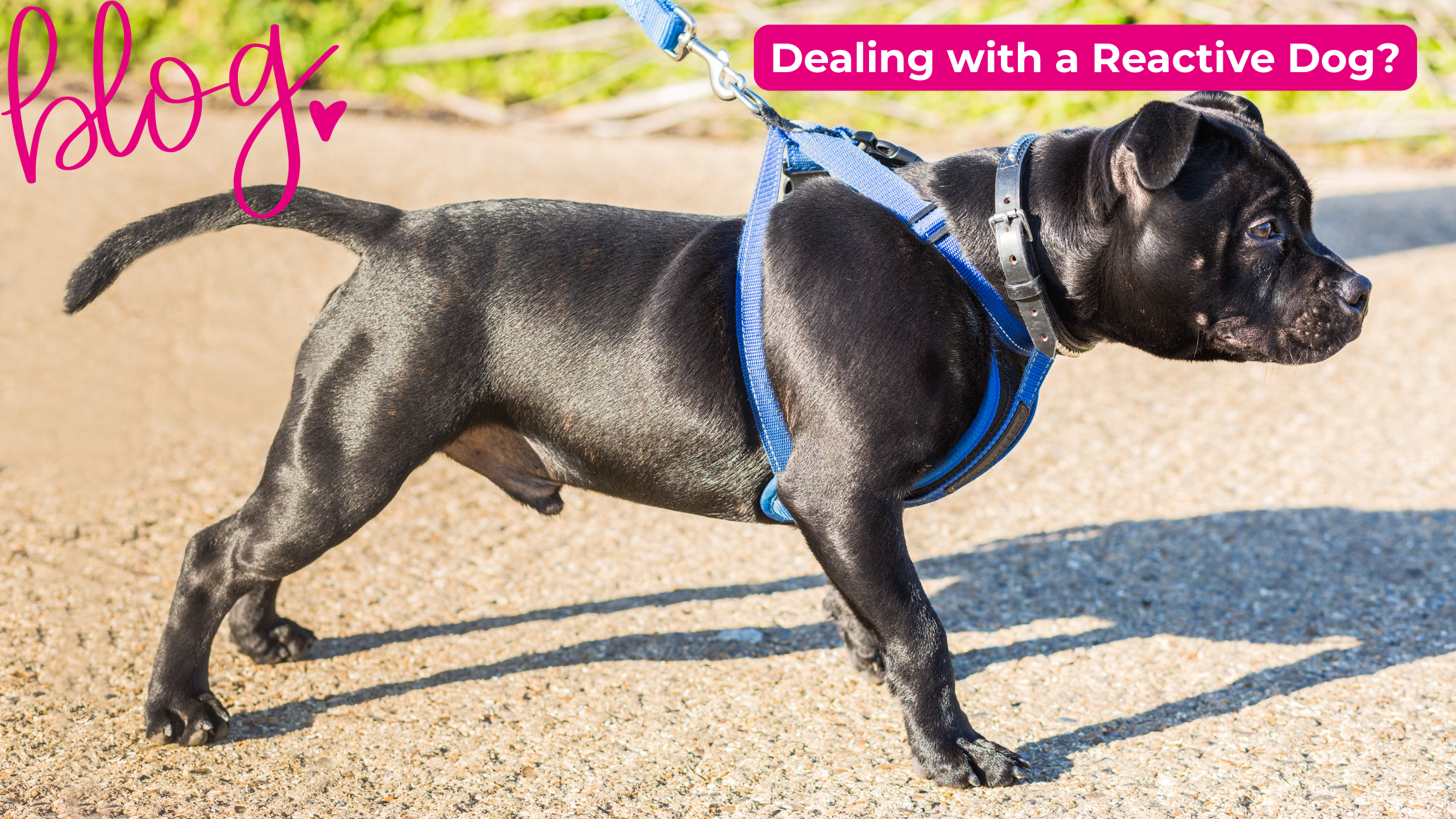
Dealing with reactive dogs can be stressful
4. Assessing the Approach
Understanding canine body language helps you decide your next move:
The Worry Signs: A stiff dog, staring, or moving in a "staggered" or slow-motion way is a concern.
The "Friendly" Problem: A loose, wiggly dog with a wagging tail may be friendly, but if your dog is reactive, this "friendly" approach is still a trigger. Remember: Your dog has a right to personal space.
5. Tools of Last Resort
If an encounter feels unsafe and the other dog won't back off:
Use a Loud Noise: A firm "NO" or a loud clap can startle an approaching dog long enough for you to exit. Be mindful that this may also startle your dog, so follow up immediately with calm praise.
Report Incidents: If your dog is harassed or attacked, it is a legal matter. Report the incident to the local dog warden or the police.
Management is Key
We cannot control the actions of every dog owner, but we can control our environment.
Choose Your Times: If your dog’s "stress bucket" is already full, avoid high-traffic areas where off-lead dogs are common.
Space is safety: Always prioritise finding a "Green Zone" where your dog feels secure.
Final Thoughts
Managing off-lead dogs is a skill that takes practice. By staying assertive and prioritising your dog's emotional threshold, you can navigate these moments with confidence.
At Rovers Return Dog Training and Behaviour, we specialise in helping reactive dogs and their owners find peace on their walks. If you’re struggling with reactivity, our private consultations are designed to give you the tools you need for a calmer life together.

Highly Qualified Behaviourist
Accredited by APDT, ABTC and UK DOG Behaviour and Training Charter
Accredited Scentwork Instructor
Force Free Trainer and Behaviour
Force Free Trainer and Behaviour
Accredited Scentwork Instructor
Accredited by APDT, ABTC and UK DOG Behaviour and Training Charter
Highly Qualified Behaviourist
Contact Us
You can contact us via Live Chat button at the bottom of the screen or the contact box to the right.
You can also book one of our services online using the View Dates buttons under the service you require.
© 2023 by Rovers Return Dog Trainers Academy - Force Free Dog Training Lutterworth, Broughton Astley, Leicestershire, Hinckley, Nuneaton, Stoney Stanton, South Kilworth, Ullesthorpe
Privacy Policy | Terms and Conditions | Terms and Conditions of Services | Sitemap
Facebook
Instagram
X
LinkedIn
Youtube
TikTok